
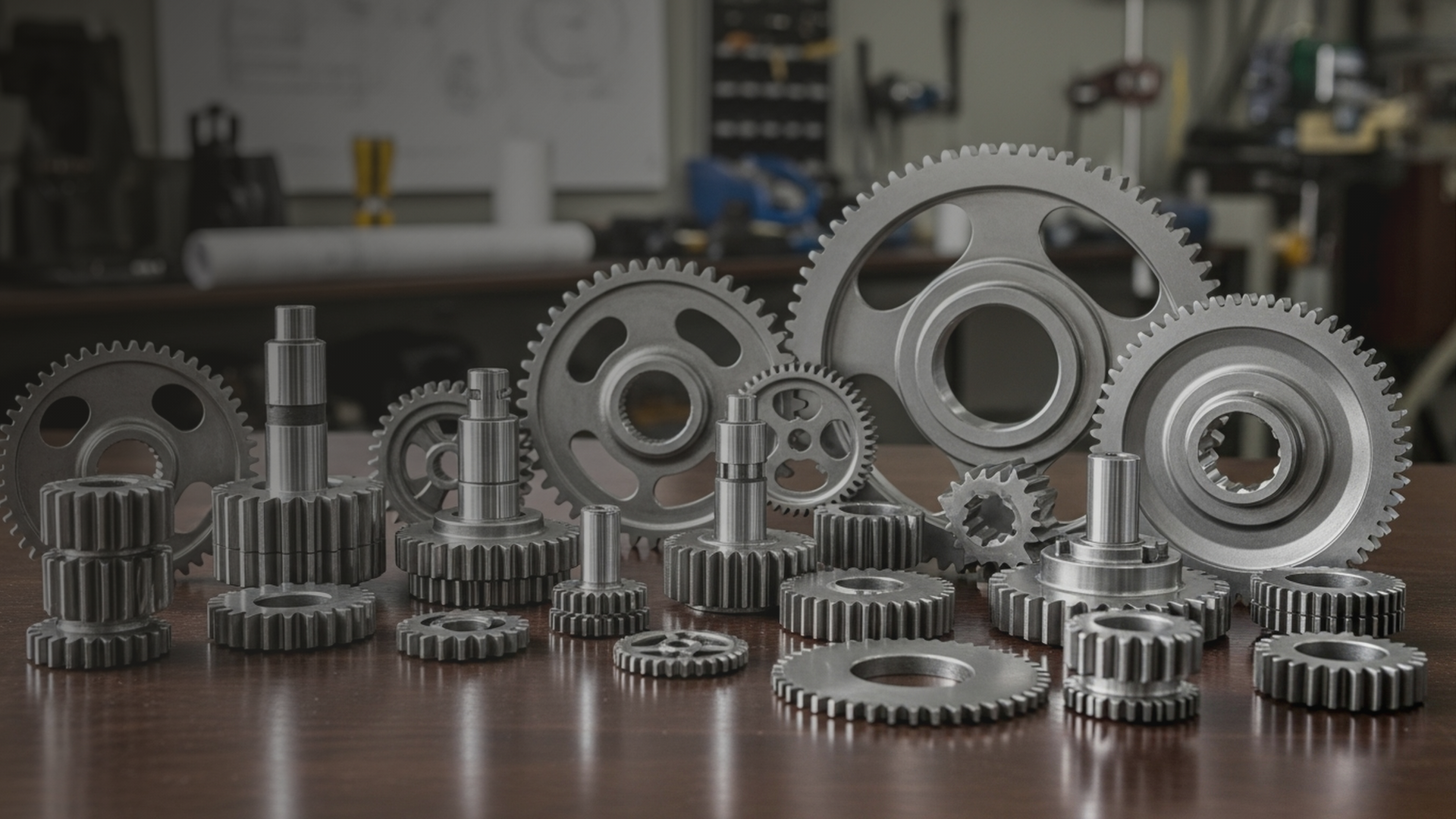
Component Architecture: Engineering for Vibe Coders
Many vibe-coded prototypes start as a single script or loosely connected files. That works at first, but as features grow, the code becomes hard to understand, change, or debug. Component architecture is about breaking your application into clear, purposeful pieces that work together without being tightly coupled.
You do not need enterprise-level architecture to benefit from components. Even early prototypes improve dramatically when responsibilities are separated and boundaries are clear. Planning component structure before coding keeps your prototype flexible, understandable, and easier to evolve.
1. What is component architecture?
Component architecture is the practice of organizing your application into distinct parts, each with a clear responsibility. A component might handle user input, data access, AI inference, or background processing.
Good components:
- Have a single, clear purpose
- Communicate through well-defined inputs and outputs
- Can be changed or replaced without breaking everything else
- Are easier to test and reason about
Without component boundaries, small changes can ripple unpredictably through your prototype.
🟢 Pre-prototype habit:
List the major responsibilities your prototype will have. Group related responsibilities into components before writing any code.
2. Why component architecture matters for vibe coders
AI-assisted coding makes it easy to add features quickly, but that speed can hide structural problems. Without components, your prototype can become tightly coupled and fragile.
Component architecture helps you:
- Iterate faster without breaking unrelated features
- Swap AI models or services more easily
- Debug issues in isolation
- Scale your prototype into something production-ready later
🟢 Pre-prototype habit:
Ask yourself which parts of your prototype are likely to change. Make those parts separate components so future changes are easier.
3. Common component boundaries
While every app is different, many prototypes naturally break down into similar components:
- UI or input handling: forms, prompts, buttons
- Business logic: rules, workflows, decision-making
- AI or model interaction: prompts, inference, post-processing
- Data access: databases, APIs, file storage
- Background tasks: queues, workers, scheduled jobs
These boundaries reduce accidental dependencies and keep responsibilities clear.
🟢 Pre-prototype habit:
Sketch a simple diagram showing components as boxes and how data flows between them. Keep it simple and readable.
4. Communication between components
Components should interact through explicit interfaces, not by directly reaching into each other’s internals.
Good practices include:
- Passing data through function calls or messages
- Avoiding shared global state
- Defining clear input and output contracts
- Treating each component as replaceable
This makes your prototype easier to reason about and less prone to hidden side effects.
🟢 Pre-prototype habit:
Define what data each component receives and returns. Write this down in plain language before coding.
5. Lightweight architecture for early prototypes
You do not need complex frameworks to apply component thinking:
- Use folders or modules to group components
- Keep files focused on one responsibility
- Start with simple interfaces and refine later
- Resist the urge to put everything in one file
The goal is clarity, not perfection.
🟢 Pre-prototype habit:
Decide how many components your prototype needs to start. Fewer, well-defined components are better than many unclear ones.
6. Quick pre-prototype checklist
| Checklist Item | Why It Matters |
|---|---|
| Identify major responsibilities | Forms the basis of components |
| Define clear component boundaries | Prevents tight coupling |
| Sketch data flow between components | Improves understanding and debugging |
| Plan replaceable components | Enables future changes |
| Keep architecture lightweight | Avoids overengineering |
Closing note
Component architecture is not about complexity. It is about clarity. By separating responsibilities and defining boundaries early, you create prototypes that are easier to build, easier to debug, and easier to grow.
🟢 Pre-prototype habit:
Before writing code, sketch your components, define their responsibilities, and outline how they communicate. A few minutes of architectural thinking can save hours of refactoring later.
See the full list of free resources for vibe coders!
Still have questions or want to talk about your projects or your plans? Set up a free 30 minute consultation with me!