Database Migrations: Engineering for Vibe Coders
Schemas change. Features evolve. Data models rarely stay the same after the first prototype. Database migrations are the disciplined way to evolve your data structure without breaking your system or losing data.
For vibe coders moving quickly, database changes are often treated casually. A column gets renamed. A table is dropped and recreated. Test data is reset. That works early on, but once real data exists, careless schema changes become one of the fastest ways to break a system.
1. What a database migration really is
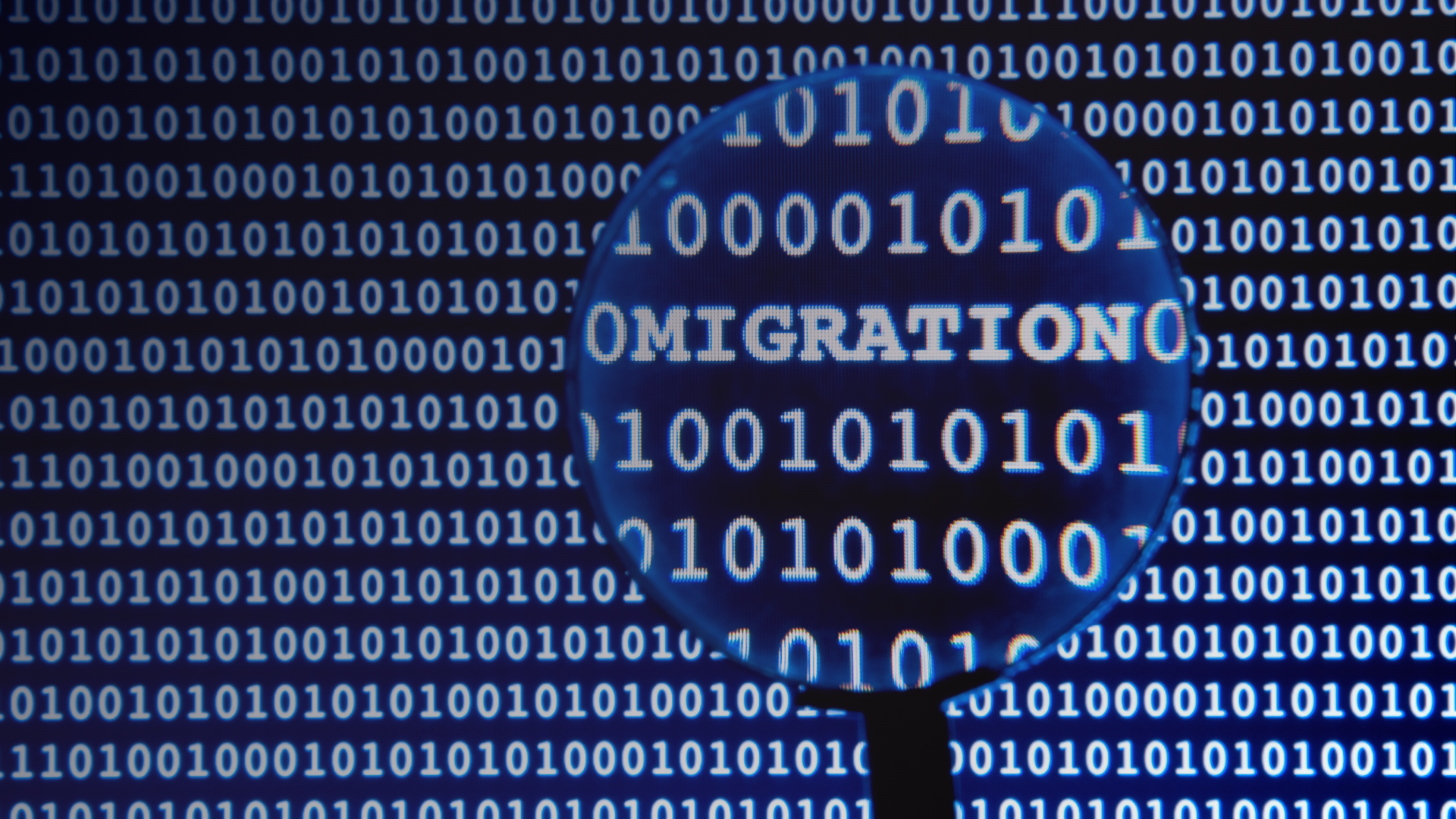
A database migration is a controlled change to your database schema over time. Instead of manually editing tables, you define versioned changes that can be applied consistently across environments.
This ensures your development, staging, and production databases remain structurally aligned as your system evolves.
🟢 Pre-prototype habit: Assume your schema will change and plan for versioned updates instead of one-time manual edits.
2. Why prototypes often ignore migrations
Early prototypes prioritize speed. It is faster to reset a database than to evolve it properly. But once your system stores real user data, resets are no longer acceptable.
Without migrations, even small schema changes can cause broken queries, failed deployments, or data loss.
🟢 Pre-prototype habit: Decide early whether your prototype will ever hold real or persistent data and treat schema changes accordingly.
3. Backward compatibility matters more than you think
One of the biggest migration risks is breaking existing functionality. If you rename a field or change a structure without planning, older code paths and background jobs may fail unexpectedly.
Safe migrations often involve additive changes first. Add new fields. Support both formats temporarily. Then remove legacy structures later once the system is stable.
🟢 Pre-prototype habit: Favor additive schema changes over destructive ones during early iterations.
4. Separating schema change from application change
A common failure pattern is deploying code that expects a new schema before the database is updated, or updating the database before the application can handle it.
Treat schema evolution as a coordinated process. Apply migrations in a sequence that keeps the system functional at every step.
🟢 Pre-prototype habit: Map the order of schema updates and application changes before implementing either.
5. Handling data transformation safely
Some migrations require transforming existing data, not just changing structure. This introduces additional risk. Large transformations can be slow, resource-intensive, or partially fail.
Planning for batching, rollback strategies, and validation checks helps ensure data integrity during transitions.
🟢 Pre-prototype habit: Identify whether a migration is structural only or requires data transformation and plan validation steps in advance.
6. Rollbacks and recovery planning
Even well-planned migrations can fail. A safe migration strategy includes the ability to roll back or recover without corrupting data.
This does not mean every migration must be instantly reversible, but high-impact schema changes should include a clear recovery path.
🟢 Pre-prototype habit: Ask how you would recover if a migration failed halfway through.
7. Quick pre-prototype checklist
| Checklist Item | Why It Matters |
| Plan versioned schema changes | Prevents drift across environments |
| Favor additive updates | Reduces risk of breaking existing logic |
| Coordinate schema and code changes | Maintains system stability during deployment |
| Plan data transformations | Protects data integrity |
| Define rollback strategy | Enables safe recovery from failure |
🟢 Pre-prototype habit: Review this checklist before modifying your data model to ensure schema evolution remains controlled and predictable.
Closing note
Database migrations are not just a production concern. They are a thinking discipline.
When you treat schema changes as structured, versioned evolutions instead of quick manual edits, your system becomes more stable, portable, and resilient. For vibe coders, this means you can continue moving fast without risking the very data your prototype depends on.
See the full list of free resources for vibe coders!
Still have questions or want to talk about your projects or your plans? Set up a free 30 minute consultation with me!