Software Development Lifecycle (SDLC): Engineering for Vibe Coders
One of the biggest misconceptions in vibe coding is thinking software development is only about writing code.
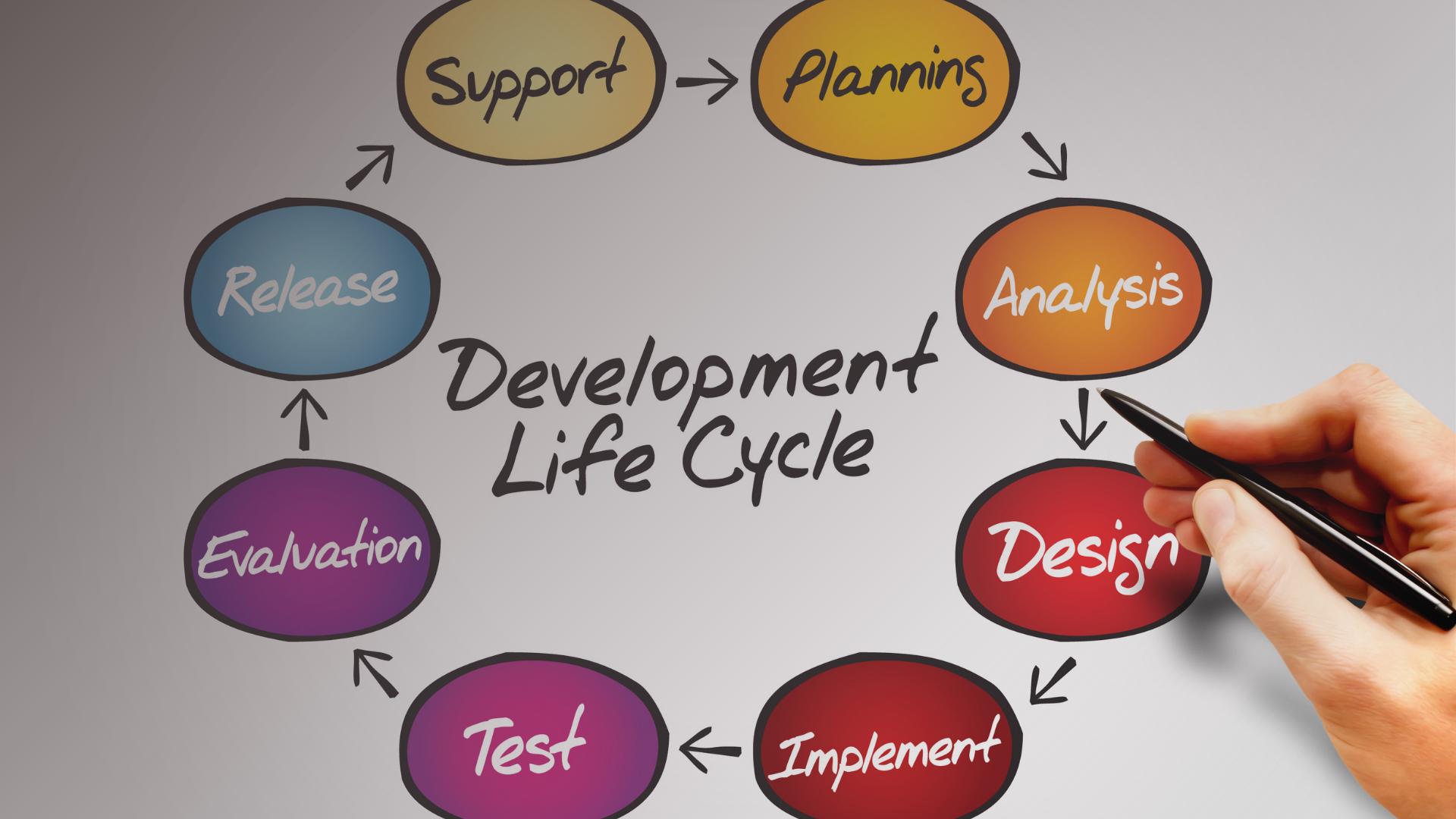
In reality, software exists within a larger lifecycle that includes planning, design, implementation, testing, deployment, maintenance, monitoring, iteration, and eventual replacement or retirement. This broader process is commonly called the Software Development Lifecycle, or SDLC.
For vibe coders, SDLC becomes especially important because AI-assisted development dramatically accelerates code generation while making it easier to skip the surrounding engineering disciplines that keep systems stable, maintainable, and reliable over time.
Fast creation does not eliminate lifecycle complexity. It often increases the need to manage it intentionally.
1. Software is more than code generation
Many early-stage developers unconsciously think software development looks like this:
- have idea
- write code
- deploy application
- finished
Real systems rarely behave this way.
Software evolves continuously through:
- changing requirements
- user feedback
- bug fixes
- operational failures
- security updates
- scaling challenges
- architectural revisions
The code itself is only one layer of the lifecycle.
Systems survive long term because teams manage change effectively, not because the first version was perfect.
🟢 Pre-prototype habit:
Before building, ask yourself: “How will this system evolve after the first release?”
2. Planning still matters in fast development
AI tools make it possible to move from idea to implementation extremely quickly.
This creates the temptation to skip:
- requirements thinking
- workflow design
- data modeling
- operational planning
- user experience consideration
The problem is that unclear requirements often create instability later.
Fast coding does not automatically produce aligned systems.
Good planning does not require massive documentation. It requires enough clarity to reduce unnecessary confusion and rework.
🟢 Pre-prototype habit:
Define the primary goal, core workflow, and success criteria before generating large amounts of code.
3. Development is only one phase
Writing code is only one stage within SDLC.
Other critical stages include:
- testing
- deployment
- monitoring
- maintenance
- incident response
- optimization
- refactoring
Vibe coding often overemphasizes creation because code generation feels productive and visible.
But many software failures happen outside the implementation phase:
- deployment misconfigurations
- missing monitoring
- unhandled edge cases
- operational instability
- unclear ownership
- poor recovery planning
Systems fail operationally as often as they fail logically.
🟢 Pre-prototype habit:
For every feature you build, consider how it will be tested, monitored, and maintained later.
4. Feedback loops drive healthy systems
Strong SDLC processes create feedback loops throughout the lifecycle.
Examples include:
- user feedback
- automated tests
- monitoring alerts
- logging
- code reviews
- incident analysis
- performance metrics
Without feedback loops, systems drift away from reliability and usability over time.
AI-assisted development can unintentionally reduce reflection because rapid generation encourages constant forward movement instead of evaluation.
Healthy systems improve because they continuously receive signals about what is working and what is failing.
🟢 Pre-prototype habit:
Decide early what feedback signals will tell you whether the system is actually succeeding.
5. Maintenance is part of engineering
Many developers emotionally treat maintenance as less important than building new features.
But maintenance includes:
- fixing bugs
- improving reliability
- updating dependencies
- refining workflows
- reducing technical debt
- improving performance
- strengthening security
Long-term software quality depends heavily on maintenance discipline.
Vibe coding accelerates feature creation, but systems that evolve rapidly without maintenance planning often become fragile surprisingly quickly.
Every shortcut eventually becomes future work.
🟢 Pre-prototype habit:
Assume every fast decision creates either future leverage or future maintenance burden.
6. SDLC is about managing change safely
One of the core purposes of SDLC is reducing the risk of uncontrolled change.
As systems evolve:
- requirements shift
- teams grow
- integrations expand
- users depend on stability
- operational complexity increases
Without structured lifecycle thinking, changes become harder to predict and coordinate safely.
This is why practices like:
- version control
- testing
- CI/CD
- release management
- rollback planning
- staging environments
become increasingly important over time.
The goal is not bureaucracy. The goal is sustainable change.
🟢 Pre-prototype habit:
Before making major architectural changes, ask how safely the system can recover if the change fails.
7. AI changes SDLC speed, not SDLC existence
Some developers assume AI will eventually eliminate the need for SDLC disciplines because code generation becomes easier.
In practice, AI changes the speed of development far more than it removes lifecycle complexity.
AI can accelerate:
- implementation
- scaffolding
- debugging assistance
- documentation generation
- workflow creation
But systems still require:
- validation
- operational reliability
- monitoring
- maintenance
- coordination
- governance
- security review
Rapid generation increases the importance of lifecycle management because systems can now grow faster than human understanding.
🟢 Pre-prototype habit:
Treat AI-generated systems as real engineering systems that still require operational discipline.
8. Quick SDLC checklist
| Checklist Item | Why It Matters |
|---|---|
| Define goals before building | Reduces misalignment and rework |
| Consider operational lifecycle early | Software exists beyond initial release |
| Build feedback loops into systems | Improves reliability and learning |
| Plan for maintenance | Technical debt accumulates over time |
| Manage changes safely | Reduces operational risk |
| Include testing and monitoring thinking | Operational visibility matters |
| Treat AI-generated systems seriously | Fast generation still creates real complexity |
🟢 Pre-prototype habit:
Before starting a project, ask yourself: “What parts of this system will still require attention six months after launch?”
Closing note
The Software Development Lifecycle is not a rigid corporate process designed to slow development. It is the collection of engineering practices that help systems survive continuous change over time.
Vibe coding dramatically increases development speed, but software still moves through the same lifecycle realities: planning, deployment, maintenance, scaling, failure, iteration, and evolution.
Good engineering is not only about generating code quickly. It is about managing the full lifecycle of systems responsibly as complexity grows.
See the full list of free resources for vibe coders!
Still have questions or want to talk about your projects or your plans? Set up a free 30 minute consultation with me!