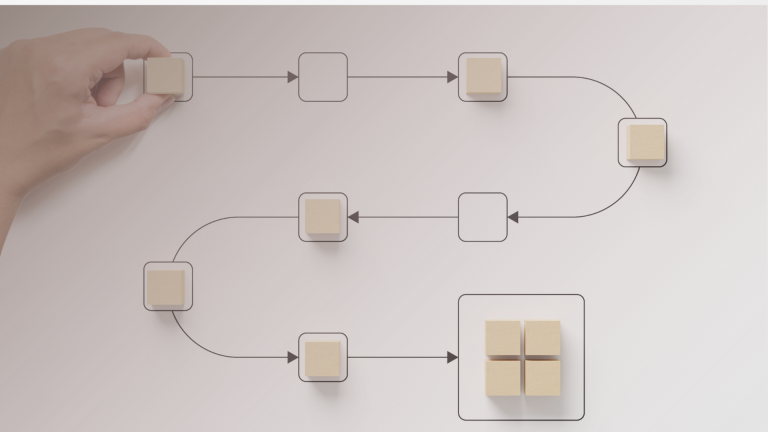

Testing in Production: Engineering for Vibe Coders
The phrase “testing in production” sounds reckless.
It should not be.
If you are building real systems with real users, production is the only environment that truly reflects reality. Real traffic. Real data. Real edge cases. The goal is not to push untested code into the wild. The goal is to introduce change safely and observe how it behaves under real conditions.
Feature flags, canary releases, and controlled rollouts allow vibe coders to move quickly without gambling the entire user experience.
1. What testing in production really means
Testing in production does not mean skipping testing. It means validating behavior with controlled exposure to real users after reasonable validation elsewhere.
Instead of releasing a new feature to everyone at once, you introduce it gradually. You monitor behavior. You watch metrics. You look for regressions. If something goes wrong, you reduce exposure or turn it off.
🟢 Pre-prototype habit: Identify which features in your design could benefit from gradual rollout rather than instant global release.
2. Feature flags as safety switches
A feature flag is a simple mechanism that allows you to enable or disable functionality without redeploying code. You can expose a feature to specific users, environments, or percentages of traffic.
Feature flags reduce risk because they separate deployment from release. Code can exist in production without being active for everyone.
🟢 Pre-prototype habit: For every significant feature, decide whether it should be wrapped in a feature flag before implementation.
3. Canary releases and controlled exposure
A canary release exposes a new version of functionality to a small subset of users first. If performance, errors, or behavior look healthy, you gradually increase exposure.
This approach limits blast radius. Instead of affecting 100 percent of users, you might start with 5 percent. Problems surface early and are easier to contain.
🟢 Pre-prototype habit: Decide what percentage of users you would initially expose to a risky or significant change.
4. Separating deployment from release
One of the biggest mindset shifts is understanding that deploying code is not the same as releasing functionality. You can deploy infrastructure, APIs, or UI changes while keeping new behavior disabled behind a flag.
This allows you to validate integrations, monitor system health, and prepare for release without immediate user impact.
🟢 Pre-prototype habit: Design your architecture so new features can exist in a disabled state until explicitly activated.
5. Observability makes it safe
Testing in production only works if you can see what is happening. You need logs, metrics, and clear success indicators. Are error rates rising? Is latency increasing? Are users dropping off?
Without visibility, gradual rollout loses its safety advantage.
🟢 Pre-prototype habit: Define success and failure signals for each new feature before exposing it to real users.
6. When not to test in production
Not every change should be validated with live users. Security changes, data migrations, and high-risk architectural shifts may require deeper pre-production validation.
Testing in production is about controlled risk, not careless experimentation.
🟢 Pre-prototype habit: Classify features by risk level and decide which ones are appropriate for gradual rollout.
7. Quick pre-prototype checklist
| Checklist Item | Why It Matters |
| Wrap major features in flags | Enables fast rollback without redeploy |
| Plan gradual exposure | Limits impact of unexpected failures |
| Separate deployment from release | Reduces risk during integration |
| Define success metrics | Enables data-driven rollout decisions |
| Classify feature risk | Prevents unsafe production experiments |
🟢 Pre-prototype habit: Review this checklist before shipping significant changes to ensure controlled validation with real users.
Closing note
Testing in production is not about moving recklessly. It is about acknowledging that real behavior only appears under real conditions.
When you use feature flags, canary releases, and gradual rollouts, you reduce risk while increasing learning speed. Instead of hoping a change works, you observe it working.
That discipline turns rapid iteration into sustainable engineering.
See the full list of free resources for vibe coders!
Still have questions or want to talk about your projects or your plans? Set up a free 30 minute consultation with me!